Stay Safe While Swiping: A Guide to the Top 5 Online Dating Scams
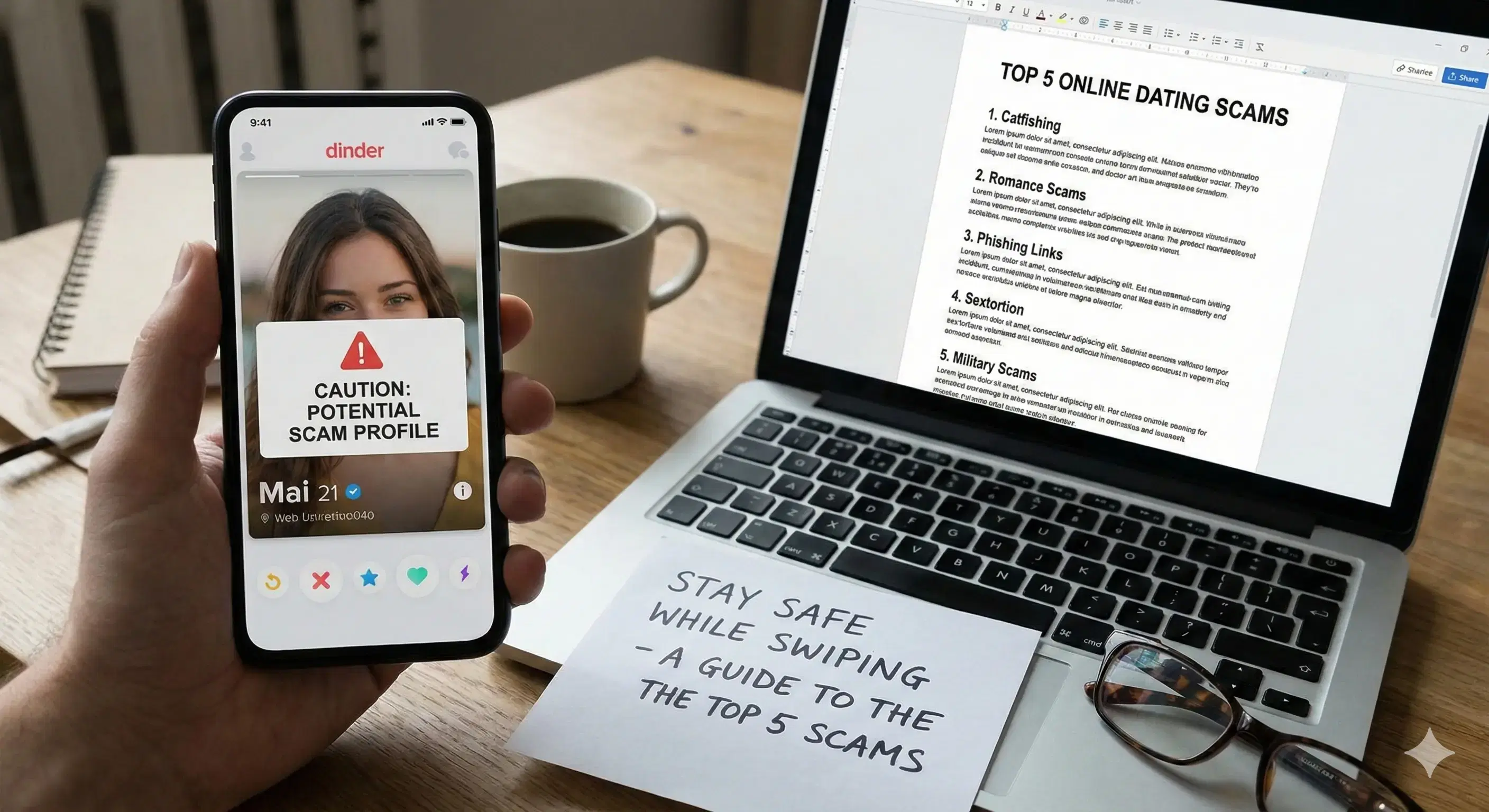
Stay Safe While Swiping: A Guide to the Top 5 Online Dating Scams
Introduction: The Risks of Modern Romance
The popularity of online dating is growing, and as occasions like Valentine's Day approach, many people turn to these platforms to find a special connection. However, this increased activity also attracts cybercriminals. Hackers are actively looking to exploit vulnerable individuals on dating apps, turning the search for romance into a significant cybersecurity risk. This guide details the most common online dating scams and provides expert advice on how to stay safe online while navigating the world of digital dating.
The Top 5 Online Dating Scams to Watch For
Cybercriminals use a variety of sophisticated methods to target users of dating apps. Understanding these common dating app scams is the first step toward protecting yourself. Below are the top five threats to be aware of.
Phishing: Baiting for Your Personal Data
Phishing is a scam where fraudsters create fake web pages mimicking popular dating apps or other trusted services. These deceptive pages are designed to trick you into entering sensitive information. Once you provide your details, criminals can use them for identity theft, financial fraud, or even extortion.
Malicious Fake Apps: A Trojan Horse on Your Phone
Cybercriminals exploit the names of popular services like Tinder, Badoo, Bumble, and Grinder to distribute malicious files disguised as legitimate dating apps. These fake apps can install dangerous malware on your smartphone, putting your privacy and security at risk and can cause emotional distress in your relationship. The most common types of malware distributed this way include:
- Adware: This software bombards your device with multiple notifications.
- Trojan Spies: This type of malware monitors your online activity, collecting your private data.
- Trojan Downloaders: These programs can potentially install other malicious software onto your device without your knowledge.
Doxing: When Private Information Goes Public
Doxing is the act of uncovering and publicly sharing someone's personal information. In the context of online dating, sensitive information shared in what seems like a private conversation can be weaponized. Criminals use this information to harm or blackmail individuals, posing a serious physical and mental danger.
Catfishing: The Fictional Persona
Catfishing is the process of luring someone into a relationship by using a fictional online persona. A common method involves spam emails that use attractive but fake profiles to trick unsuspecting victims. The goal of catfishing is often to spread malware, steal sensitive information, or hurt victims financially, making it one of the most well-known romance scams.
Stalkerware: The Secret Spy
Stalkerware is software that can be secretly installed on a device to monitor a user's online activities and track their location. This invasive software operates without the user's consent or knowledge. According to cybersecurity firm Kaspersky, 29,312 people worldwide were affected by stalkerware in 2022 alone.
How to Protect Yourself: Expert Advice for Safe Online Dating
Being proactive about cybersecurity is crucial for a positive online dating experience. According to Anna Larkina, a privacy and security expert at Kaspersky, you can take simple yet effective steps to protect yourself.
Use Secure Connections
Always ensure you are using a secure and trusted network when accessing dating apps or websites. Avoid using public Wi-Fi for sensitive activities, as these networks are more vulnerable to interception by hackers.
Keep Your Information Private
Be cautious about the amount of personal information you share. Avoid revealing sensitive details like your home address, workplace, or financial information until you have established a high level of trust with someone.
Be Cautious of Unsolicited Requests
Treat unsolicited messages or requests for personal information with suspicion. Be wary of links sent by strangers or profiles that seem too good to be true, as they could lead to phishing sites or malware.
"The beauty of online dating is the opportunity to connect with people from all over the world, but with that comes the risk of cybercrime. Stay safe by using secure connections, keeping your personal information private, and being cautious of unsolicited requests. By being proactive, you can protect yourself and have a fulfilling online dating experience." — Anna Larkina, Privacy and Security Expert at Kaspersky
Frequently Asked Questions (FAQ) About Online Dating Safety
What is catfishing?
Catfishing is defined as the process of luring someone into a relationship by using a fictional online persona. Attackers use attractive but fake profiles, often through spam emails, to spread malware, steal sensitive information, or hurt victims financially.
What are the biggest cybersecurity risks on dating apps?
The biggest cybersecurity risks stem directly from common scams. For example, phishing attacks can lead to financial fraud, identity theft, and extortion. Malicious fake apps pose another major threat, leading to malware infections like adware that floods your device with notifications or Trojan Spies that monitor your private online activity.
What kind of malware is spread through fake dating apps?
Fake dating apps primarily distribute three types of malicious programs:
- Adware: Bombards users with notifications.
- Trojan Spies: Monitors a user's online activity.
- Trojan downloaders: Installs other malicious programs onto a victim's computer.
Conclusion: Date Smart and Stay Secure
While online dating offers wonderful opportunities to connect with new people, it's essential to be aware of the associated risks. Scams like phishing, catfishing, doxing, and malicious apps are designed to exploit trust for criminal gain. By following expert advice and staying vigilant, you can confidently navigate the digital dating world. Remember that being proactive about your safety is the key to protecting yourself and enjoying a fulfilling and secure online dating experience.